Preventive Maintenance Arizona
Most critical power failures don't start suddenly — the data shows the degradation months before the equipment fails. Our PM programs for Arizona data centers, hospitals, telecom carriers, and mission-critical facilities turn that data into action before it becomes an incident. Written reports, trending data, 24/7 emergency response — included in every contract.

Reactive Maintenance Is the Most Expensive Kind
A reactive maintenance posture has a predictable cost: pay nothing in advance, pay everything when something fails. Most critical power failures aren't sudden events — they're slow-developing conditions that become emergencies when the equipment is needed most.
Battery capacity fade, fuel contamination, capacitor degradation — all of it shows up in trending data before it shows up as a failure. We build programs around your equipment inventory and the actual operating conditions at your Arizona facility.
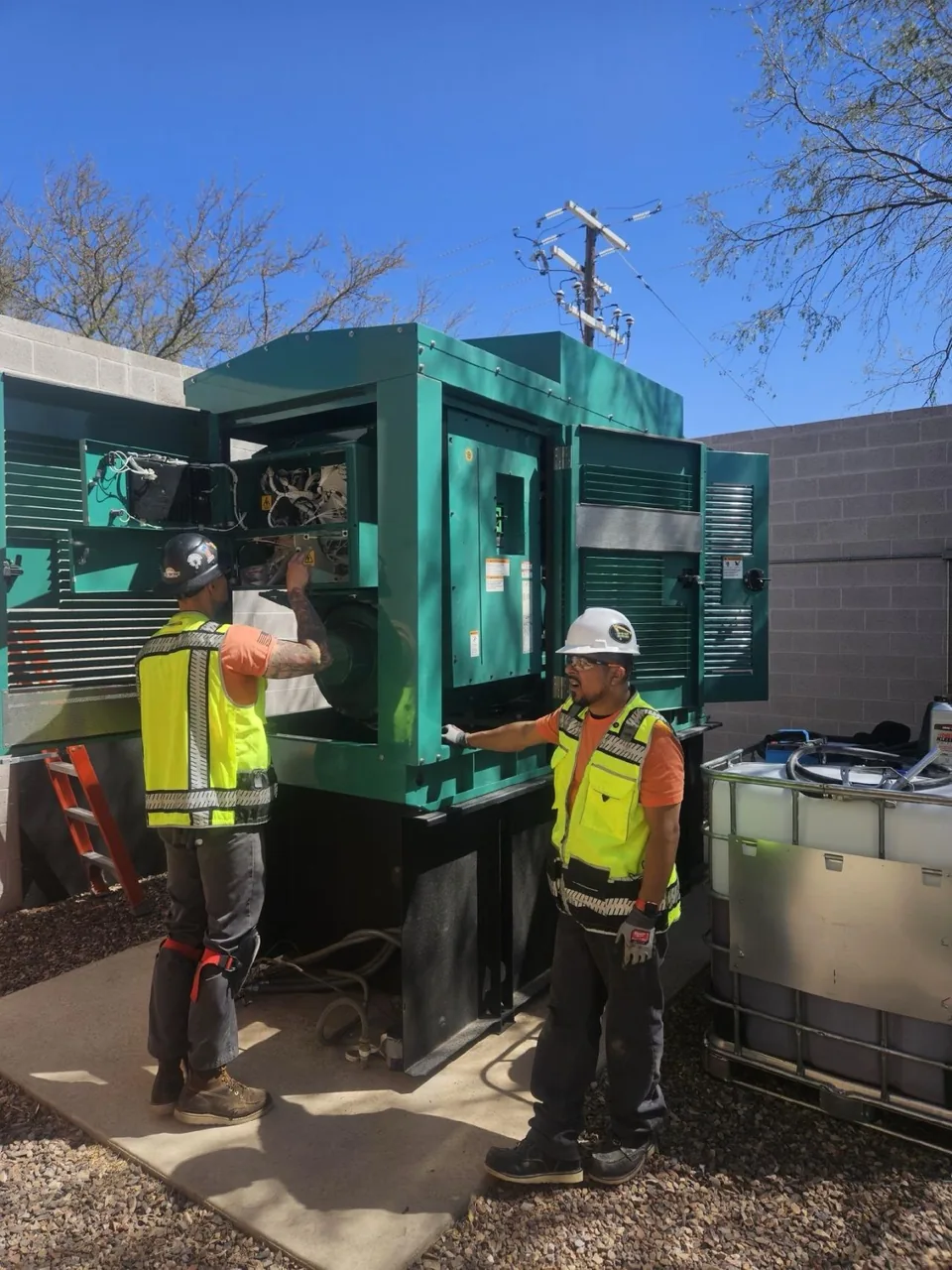
We're a dedicated critical power specialist — not a general electrical contractor that handles PM on the side. 24/7 emergency response is included in every contract.
What Our PM Contracts Cover
Every PM contract is built from your equipment inventory. We cover the systems you have, on intervals that match each system's requirements and Arizona's actual operating conditions.
UPS System PM
Annual or semi-annual service covering capacitor and fan inspection, filter cleaning, battery impedance testing, static switch verification, infrared thermal imaging of connections and terminations, and load transfer test through maintenance bypass. Written maintenance report after every visit. Eaton, Vertiv, APC, and Schneider Electric systems.
Generator & ATS PM
We cover the electrical side of generator and ATS maintenance. Breaker testing and exercise, load bank testing to verify the unit holds rated output under load, and infrared thermal imaging of breakers, connections, and terminations. ATS exercise and automatic transfer testing. Output voltage and frequency verification. NFPA 110 electrical documentation for healthcare, data center, and compliance-driven facilities. Cummins, Generac, Kohler, Caterpillar, and MTU.
Battery Systems PM
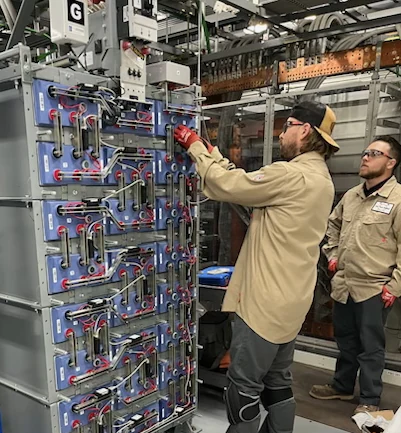
Impedance testing of individual cells logged against baseline, inter-cell connector torque verification, infrared thermal imaging of terminals and connections, float voltage and temperature reading, visual inspection for swelling or leakage, and trending report. Capacity testing at intervals adjusted for Arizona heat. For UPS strings and DC power plant strings.
DC Power Plant PM
Rectifier module efficiency testing, battery string float voltage and temperature logging, impedance testing, BDFB fuse and breaker inspection, infrared thermal imaging of distribution connections, alarm system verification, and load distribution review. Documented to Telcordia GR-29-CORE — required by carriers and colocation operators for compliance records.
Electrical Room & Switchgear
Infrared thermal scanning of bus connections and terminations, connection torque verification, breaker exercise and inspection, arc flash label audit, and panel schedule review. Performed under NFPA 70E procedures on energized equipment — no outage required for the inspection itself.
Multi-System Contracts
Single PM vendor for your full critical power stack — UPS, generator, batteries, DC plant, and electrical room. Coordinated scheduling minimizes facility disruption. Unified documentation package. One point of contact for all service, maintenance, and emergency calls. Priority dispatch for PM contract clients.
PM Schedules Built for Arizona, Not for Average US Conditions
A schedule calibrated for Minneapolis doesn't serve a Phoenix facility. The desert heat, monsoon season, and dust events create a different maintenance calendar — one built from what we've actually observed in Arizona, not from a manufacturer manual's assumptions about temperate climate operation.
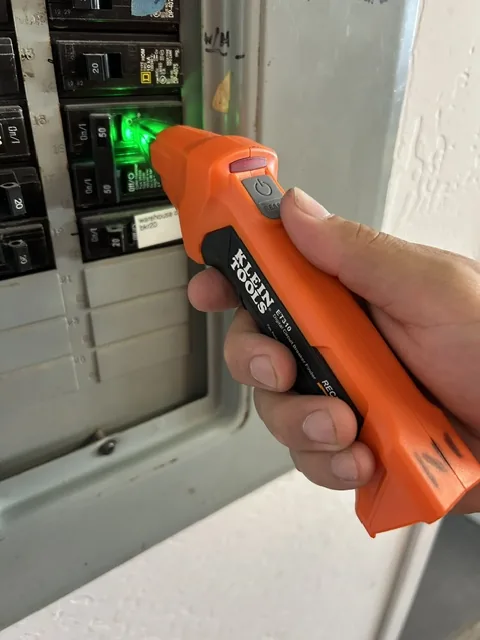
May/June (pre-summer): Battery impedance testing and load verification before temperatures push internal cell temps to their seasonal peak. Generator load bank verification and infrared thermal scan of breakers, connections, and terminations. ATS transfer test before peak demand season.
August/September (post-monsoon): Filter audit on all outdoor equipment — haboob season packs intakes in ways that affect thermal performance for months. Moisture assessment at sites with outdoor exposure. Battery temperature logging to establish summer baseline.
October/November: Annual capacity testing when ambient temperatures favor accurate results. Full load bank test and ATS documentation for year-end compliance records.
The facilities that pass their annual compliance reviews scheduled that capacity test in October — not April.
How We Structure PM Contracts
Every PM contract starts with an equipment inventory — not a pricing matrix. We need to know what you have: UPS make, model, and age; generator kW rating and fuel type; battery string configuration; DC plant manufacturer; and the compliance obligations your facility operates under (NFPA 99, NFPA 110, Telcordia GR-29, or internal SLA requirements). From that inventory, we build a service schedule that covers what needs to be covered, at intervals that make sense for each system in Arizona conditions.
Priority 24/7 emergency response is included in every PM contract — not an add-on, not a separate tier. PM clients receive priority dispatch ahead of non-contract calls. Every visit produces a written service report with readings, findings, trending comparison to prior visits, and forward-looking recommendations — formatted for compliance documentation and capital planning, not just internal records.
New Phase Electrical holds ROC License #348619, Telcordia Level 4 certification for DC power plant work, OSHA certification, and WOSB certification. Verifiable at roc.az.gov.
Frequently Asked Questions
What does a critical power preventive maintenance visit include?
Scope depends on the systems in your contract. UPS PM: visual inspection, battery impedance testing, capacitor and fan assessment, filter cleaning, load transfer verification, written report. Generator PM (electrical scope): breaker testing and exercise, load bank testing, infrared thermal imaging of connections, ATS exercise and transfer documentation, output voltage and frequency verification, NFPA 110 records. DC power plant PM: rectifier efficiency check, battery float voltage and temperature logging, impedance testing, BDFB inspection, Telcordia GR-29-CORE documentation. Battery PM: impedance testing, inter-cell connector torque check, trending data logged against prior baseline.
How often should UPS systems be serviced in Arizona?
NFPA 110 calls for annual UPS maintenance at minimum. In Arizona, we typically recommend semi-annual service for critical facilities — spring before summer heat peak, fall after monsoon season. Arizona's summer heat accelerates capacitor wear, shortens battery service life, and loads cooling systems harder than a standard annual schedule accounts for. For facilities with strict uptime requirements, quarterly battery impedance testing between annual visits gives early-warning data without a full PM visit each time.
Is 24/7 emergency service included in a PM contract?
Yes — priority 24/7 emergency response is included in every PM contract, not sold as a separate tier. PM clients receive priority dispatch when they call, ahead of non-contract service requests. A PM program is only as valuable as the emergency coverage behind it. We don't separate the two.
What compliance documentation do you provide after each PM visit?
Every PM visit produces a written service report with readings, as-found condition, work performed, and recommendations. For compliance-specific facilities: NFPA 99 and NFPA 110 maintenance records for healthcare, Telcordia GR-29-CORE documentation for carrier and colocation DC plant work, and written ATS test records for generator compliance. Reports are formatted to support audits, joint commission surveys, and facility management documentation — not handwritten inspection forms.
Can you take over PM for systems you didn't install?
Yes — the majority of our PM clients are facilities where we inherited the program from another contractor or from in-house staff. We start with a baseline assessment to document current system condition, then build the maintenance schedule from that baseline. We've taken over programs in every condition, including systems with years of deferred maintenance. We're not locked to any manufacturer, so we evaluate what you have objectively and recommend the realistic path forward.
What is the difference between preventive and predictive maintenance?
Preventive maintenance is scheduled — you perform specific tasks at defined intervals regardless of current system condition. Predictive maintenance uses condition monitoring data (battery impedance trends, thermal imaging, oil analysis) to predict when a component is approaching failure and schedule replacement before it does. A well-structured critical power PM program uses both: scheduled tasks at defined intervals, with trending data collected at each visit to inform predictive decisions. Battery impedance trending is the clearest example — data from successive visits tells you whether replacement is 3 months away or 2 years away.
How does Arizona's climate affect PM schedules?
Generic PM schedules are built for average US conditions — they don't account for Arizona's 110°F+ summer peak, haboob dust events, or monsoon season moisture. We time battery service to catch degradation before summer heat pushes internal temperatures to their seasonal high. Generator coolant and cooling fan service goes in spring before the system works hardest. Filter audits happen after monsoon season — dust-packed intakes are a direct cause of thermal failures in Arizona facilities. These decisions come from knowing what actually fails here and when, not from a standard manufacturer guide.
Related Services
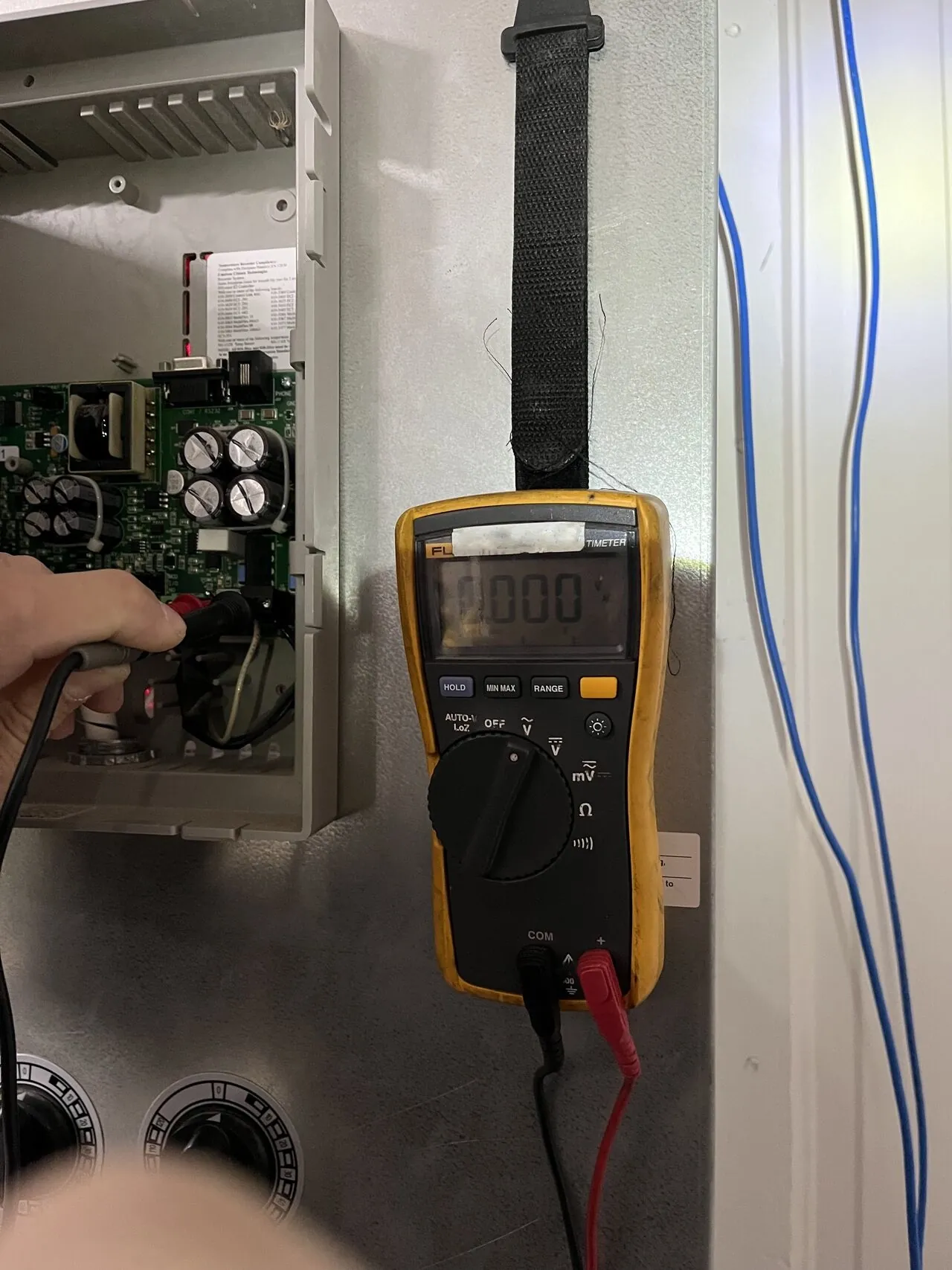
UPS Systems & Bypass
UPS installation, replacement, battery service, and maintenance bypass for Arizona data centers and mission-critical facilities.
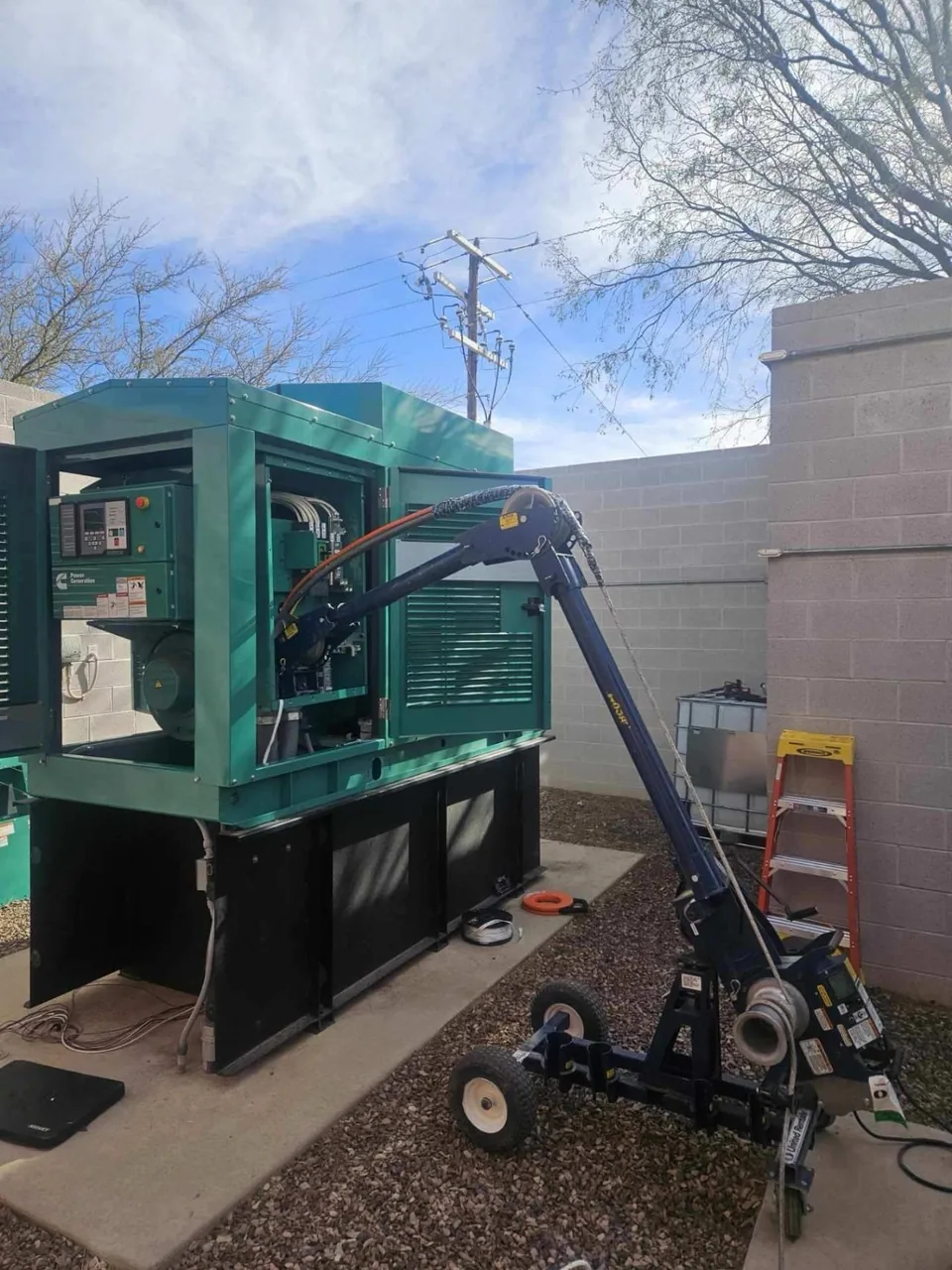
Generator Installation
Commercial standby generator installation, ATS integration, and load bank testing for Arizona critical facilities.
Battery Systems
Stationary battery replacement, capacity testing, and impedance trending for UPS and DC power plant strings across Arizona.
Build a PM Program Around Your Equipment
Site assessment, contract quote, or emergency service — anywhere in Arizona
Arizona Location
519 W. Lone Cactus Dr. Ste 103
Phoenix, AZ 85027
Serving all of Arizona